Why Recommerce Is Growing So Fast in the UK
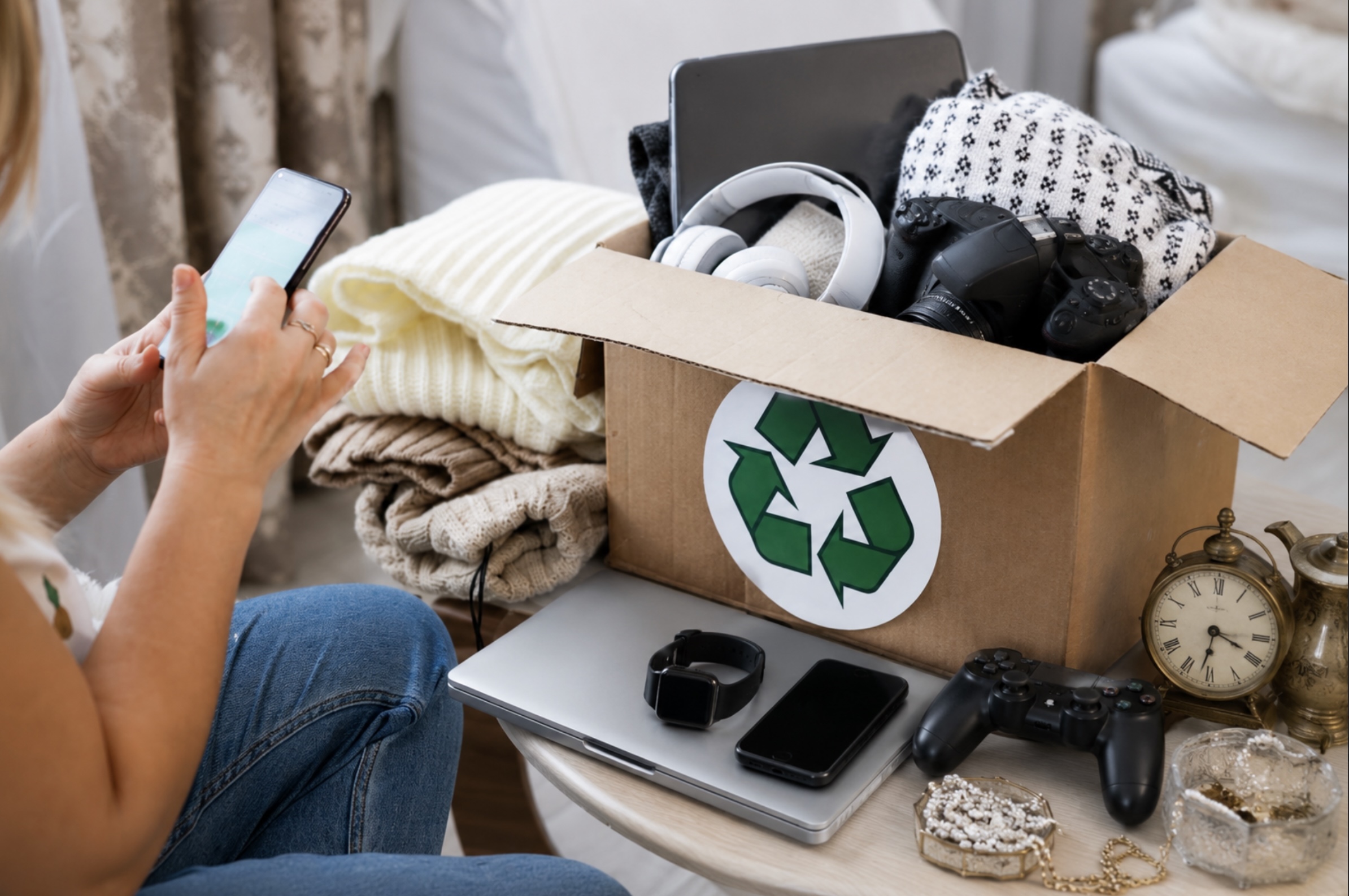
As time has passed, most people in the UK probably had a drawer full of old phones they never touched, wardrobes full of clothes they had not worn in years, or a games console sitting under the TV collecting dust. Old trainers, watches, tablets, laptops, kitchen appliances and designer handbags were all things people held onto without really thinking about them.
The difference now is that consumers no longer see those items as clutter or things to keep “just in case.” They see value. More specifically, they see cash.
That shift in mindset is one of the biggest reasons the recommerce market in the UK has accelerated so quickly. Consumers have become far more conscious of value than they were even five years ago. People are looking around their homes differently and asking themselves a much simpler question: “How much is this worth?”
That single question has quietly reshaped an entire industry.
Consumers Have Changed the Way They View “Unused” Items
The modern UK consumer has become incredibly comfortable buying and selling pre-owned products, but this shift happened gradually through everyday behaviour. Someone upgrades their mobile phone and realises their old device could bring in a few hundred pounds instead of sitting forgotten in a drawer. A family clears out wardrobes and discovers there is genuine demand for trainers, designer clothing, handbags and watches they no longer use. Gamers trade in old consoles to offset the cost of new releases. Younger consumers especially have grown up in a world where resale feels completely normal.
Over time, people started to view products differently. Ownership no longer felt permanent. Products became assets with resale value attached to them.
That change in consumer psychology is incredibly important because it influences purchasing behaviour across entire industries. Consumers now factor resale value into buying decisions. In categories such as technology, fashion and luxury goods, people expect products to hold value after purchase. A phone is no longer simply bought and kept for years. It may only stay with someone for two years before being traded in. Trainers are bought with the knowledge they can later be resold. Luxury items are increasingly viewed as both purchases and assets.
Perhaps most importantly, the emotional barrier around buying second-hand has almost disappeared. Consumers no longer automatically associate pre-owned with poor quality or compromise. What matters now is trust, convenience and presentation. If the process feels professional and reliable, consumers are perfectly comfortable buying refurbished or pre-owned products.
That behavioural shift is one of the biggest reasons recommerce has moved from niche marketplaces into mainstream retail in the UK.
The Cost of Living Has Accelerated Recommerce
The economic climate has accelerated this change even further. Consumers still want premium products, quality brands, and good experiences, but they have become far more calculated with spending. People are questioning value more carefully than they once did.
A consumer who may previously have bought a brand-new phone without hesitation now stops to consider whether paying significantly more actually makes sense when a professionally refurbished version offers almost the same experience. Someone buying luxury fashion may feel entirely comfortable purchasing pre-owned if the quality and authentication process feels trustworthy.
At the same time, consumers are far more aware that unwanted items around the home can be converted into immediate cash. That is what makes recommerce uniquely powerful because both sides of the market are emotionally motivated.
The seller feels satisfaction from unlocking money tied up in products they no longer use. The buyer feels equally satisfied securing a premium product at a better price.
Very few retail sectors operate with such strong emotional logic on both sides of the transaction, which is why recommerce has expanded so rapidly across technology, gaming, fashion, watches, jewellery, furniture and appliances.
Selling unwanted products no longer feels like an occasional clear-out. For many consumers, it has become part of how they manage money, fund upgrades and justify future purchases. That represents a major cultural shift in the UK market.
Trust Is Everything in Recommerce
Despite all this growth, trust remains the single most important factor for recommerce businesses.
Unlike traditional retail, recommerce requires consumers to feel reassured before they take action. If someone is selling a high-value phone, designer handbag or laptop, they want confidence they are dealing with a legitimate company. They want reassurance that valuations are fair, payments will arrive quickly and the process will not become difficult after inspection.
On the buying side, customers want transparency around grading systems, warranties, authenticity checks, returns policies and product condition. They want the process to feel safe and professional.
That means the customer journey in recommerce is often far more research-driven than many traditional e-commerce journeys. Consumers compare companies carefully. They read reviews in detail. They revisit websites several times before making a decision. They actively look for signs that a business feels established, transparent and trustworthy.
In many ways, consumers are not simply buying products anymore. They are buying confidence in the process itself.
That is why the businesses that scale most successfully in recommerce are often the ones that create the smoothest and most trustworthy customer experiences, not necessarily the ones competing hardest on price.
Why Marketing Matters So Much in Recommerce
One of the biggest misconceptions about recommerce is that growing demand automatically guarantees growth for businesses operating in the sector.
In reality, customer acquisition can become highly competitive very quickly because recommerce consumers rarely behave impulsively. Someone looking to trade in a valuable phone may spend days comparing offers before deciding who to trust. A customer considering a refurbished purchase may move between several websites researching warranties, reviews and quality standards before finally converting.
The customer journey is rarely linear.
A customer may discover a brand through social media, leave to compare alternatives, return later through a retargeting campaign, sign up to email and finally make a purchase days later once they feel reassured enough to proceed.
Every stage of that journey matters.
That is why the strongest recommerce businesses focus heavily on long-term audience building rather than relying purely on short-term advertising. The brands growing most sustainably are building databases, nurturing audiences through CRM, re-engaging previous customers and creating repeat purchasing behaviour over time.
Because in recommerce, repeat trust becomes one of the most valuable growth assets a business can have.
Once someone has successfully sold one product through a platform, they are far more likely to return again. Once a customer has a positive experience buying refurbished products, their hesitation around future purchases drops significantly.
Over time, that repeat behaviour becomes one of the biggest drivers of long-term growth.
How Known Media Understands the Recommerce Sector
One thing that becomes very clear when working within recommerce is that this industry behaves differently from traditional retail. The customer psychology is different, the decision-making process is different and trust plays a much bigger role in conversion than many businesses initially realise.
Known Media understands that because successful acquisition in recommerce is not simply about generating clicks or driving traffic. It is about understanding how consumers think before they convert.
Many consumers entering recommerce are still making a psychological shift in how they view ownership, value and purchasing decisions. Some are selling products online for the first time. Others are buying refurbished products for the first time and need reassurance throughout the process.
That means marketing in this sector has to feel informative, trustworthy and confidence-building rather than aggressively sales-driven.
Known Media focuses on helping recommerce businesses build acquisition strategies around genuine consumer behaviour. That includes building meaningful databases, capturing high-intent audiences, improving retention, reducing reliance on constantly rising paid acquisition costs and helping brands build trust through smarter messaging and audience targeting.
Because ultimately, the most valuable asset in recommerce is not just inventory.
It is long-term consumer trust.
The Future of Recommerce in the UK
Recommerce is no longer a niche category sitting on the edge of retail. It is becoming part of everyday consumer behaviour in the UK.
People are actively looking around their homes differently. Unused products are no longer forgotten possessions sitting in cupboards or drawers. They are potential value. Consumers increasingly think about what they can sell, trade in, upgrade or buy refurbished before making purchasing decisions.
That behavioural shift is unlikely to slow down. If anything, it is becoming more deeply embedded into modern consumer culture.
The businesses that succeed over the next few years will not simply be the ones with the biggest inventory or lowest prices. They will be the businesses that best understand consumer emotion — the desire to unlock value, the desire to spend smarter and the reassurance people need before taking action.
Because ultimately, recommerce is not just changing how people shop.
It is changing how people think about ownership altogether.